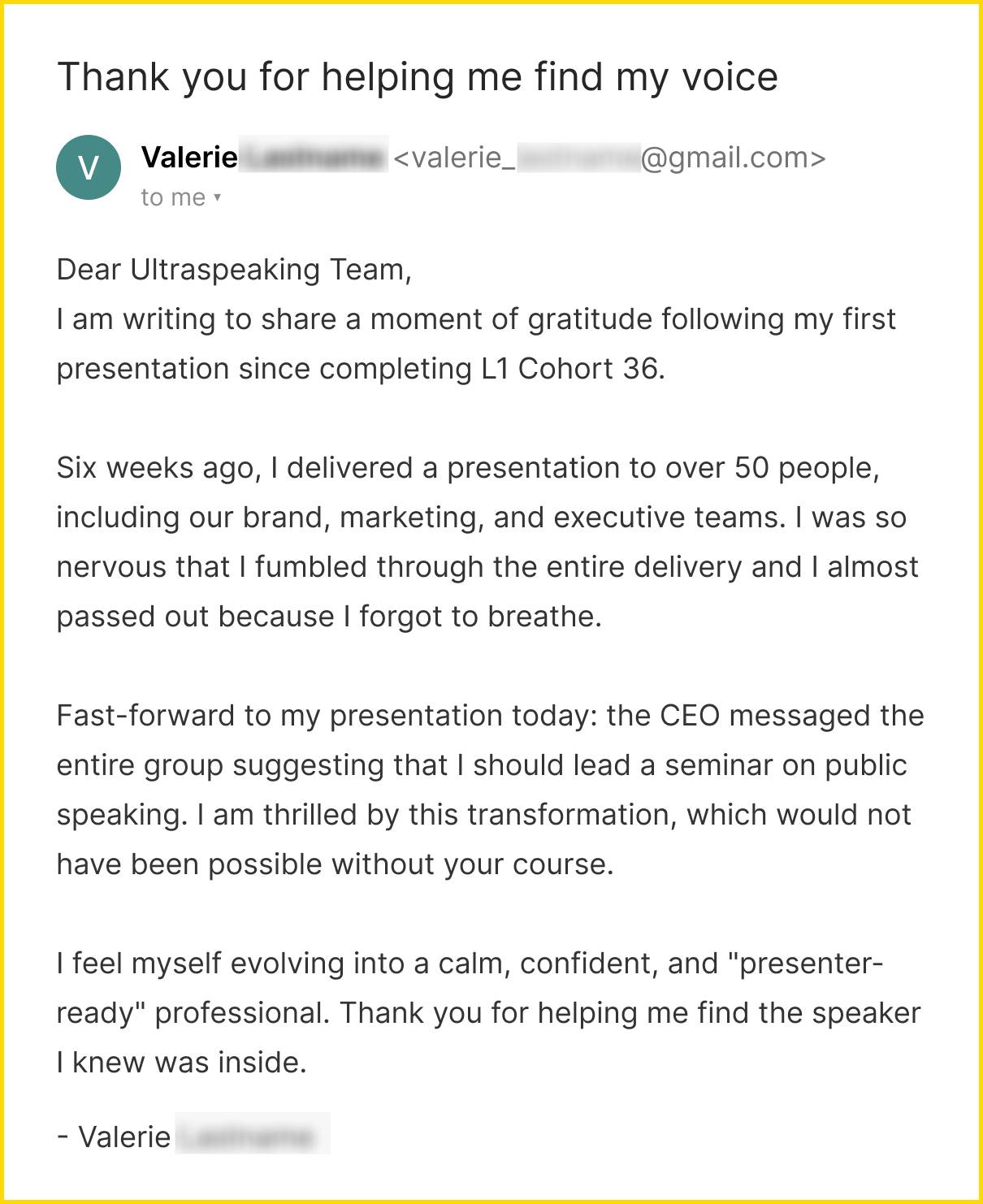
I’m looking at a letter a student sent us right after she finished her Fundamentals cohort.
Every time I read it, I get chills. It’s the best answer I know to a question I get all the time: how do you recover after a bad presentation and feel confident again?
Valerie went from freezing up and feeling nervous in meetings to being asked by her CEO to teach the company how to present.
She told us what happened during a presentation, before she took the cohort:
“Six weeks ago, I delivered a presentation to over 50 people, including our brand, marketing, and executive teams. I was so nervous that I fumbled through the entire delivery and I almost passed out because I forgot to breathe.”
The overthinking loop
If speaking to a group makes your chest tighten, you know exactly how Valerie felt at that moment.
You prepare for a presentation for hours… You know the material better than anyone in the room.
When the meeting comes, you walk in a little nervous, but at the moment it feels manageable.
Then mid-sentence you say one word wrong. It feels so much bigger than it should, because this is the meeting that matters and you need it to be perfect.
Your heart starts pounding, and your hands start sweating.
Now you’re doing two things at the same time: saying the next sentence, and grading the one you just said.
So the words start coming slower while your attention is on your performance.
By the time you sit down, you have no idea what came out of your mouth.
That’s how most of our students walk in: overthinking every word until the moment to speak has already passed, blanking or rambling with no way back on track, and replaying it that night, knowing exactly what they should have said.
The result is an Overthinking Loop that carries over into the next meetings:

Usually, that happens because the only proof your brain has is the last time it went badly.
How to regain confidence after a bad presentation
That’s the cycle Valerie wanted to break when she joined the Fundamentals cohort.
The only way to give her brain new proof was to speak somewhere the outcome didn’t matter.
Somewhere she could say a word wrong, blank, fumble, and nothing bad would happen.
That’s the whole premise our cohorts are built on.
Valerie played speaking games designed to train her brain under pressure, instead of learning theory. She spoke about topics she didn’t expect, with no time to plan and no frameworks to memorize, all with no stakes involved.
She got an honest read on how she comes across, from a coach and from other professionals in the room, in the moment, instead of her own read after a presentation.
She was in a room full of people in the same boat. Everyone there was working on the same thing, which is what makes it safe enough to be bad at it for a while.
And she got something she could use the next day: the clarity and confidence that shows up in a standup, a tough question, or any conversation she didn’t see coming, not just in one presentation.
Valerie could fumble with no consequences until her body stopped treating it as something to survive.
What happened next
After taking the cohort, she gave another presentation.
“Fast-forward to my presentation today: the CEO messaged the entire group suggesting that I should lead a seminar on public speaking.”
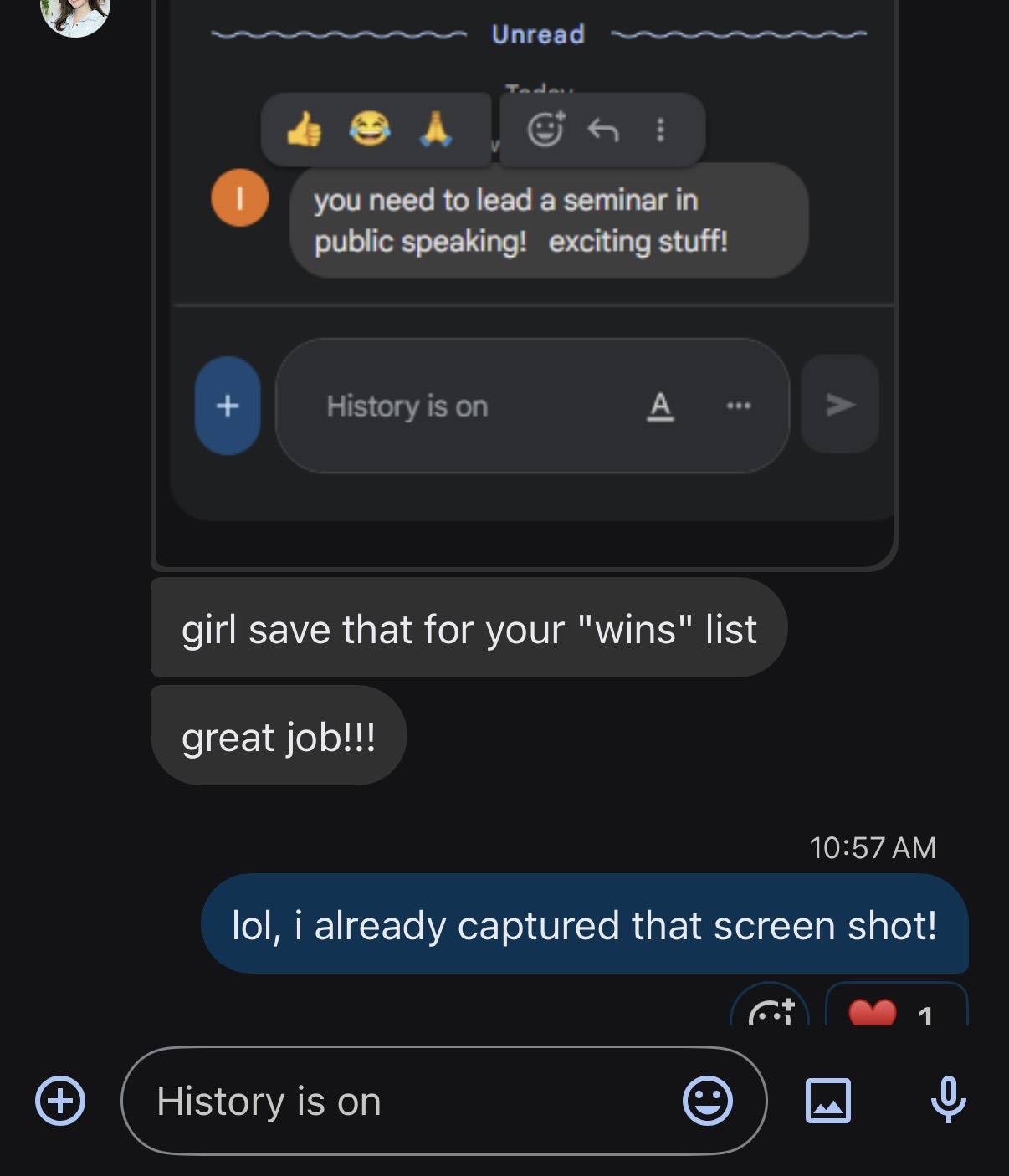
From fumbling and almost passing out to being invited to give a seminar. 🤯
This is proof that she was already a good speaker.
But she needed to teach her brain it’s safe to speak in front of a room full of people.
I keep coming back to her email because I see so many people transform their communication skills by practicing with others.
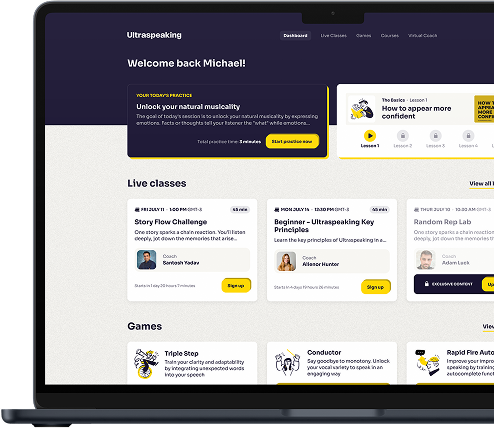
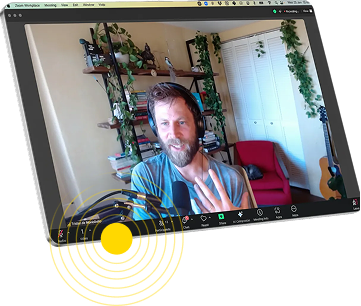
If you want to go through the same kind of change Valerie did, the Fundamentals course she took is 15 live sessions over five weeks, three a week. Most of each session happens in breakout rooms of two or three people, so you speak three or four times every class, with feedback from your coach.
Tristan
Common questions about presentation anxiety
Why do I get more nervous after a presentation goes badly?
Because the only proof your brain has is the last time it went badly. One fumble turns into a story about you, and the next time you stand up, your brain braces before you’ve said a word. Then you start grading yourself mid-sentence, the words come slower, and the fumble you were afraid of shows up. That loop isn’t a sign that you’re a bad speaker. Valerie almost passed out presenting to 50 people, and six weeks later her CEO asked her to teach the company how to present.
How do I stop replaying a bad presentation in my head?
Telling yourself to stop rarely works. The replay keeps going because that presentation is the only proof your brain has, and every pass adds more evidence for the story that you’re bad at this. What changes the story is new proof: speaking somewhere the outcome doesn’t matter, fumbling, and noticing that nothing bad happens. Do that enough times and your body stops treating a missed word as something to survive, and the old presentation loses its grip. That’s how Valerie got there, and it’s why our free live class is built as a low-stakes room.
How do I stop grading myself while I’m presenting?
You can’t think your way out of it in the moment, because the grading is your nerves trying to keep you safe. It fades when your brain has enough experience of fumbling and being fine. That means speaking a lot in a room where you can say a word wrong, blank or ramble with no consequences, and getting honest feedback from other people instead of your own harsh read afterward. Most people discover they come across much better than they thought, which is the proof the loop is missing.
Can a few weeks of practice really change presentation anxiety?
Yes, though not by making the nerves disappear. What changes is what happens after the first wobble. Valerie went from almost passing out to a CEO asking her to lead a seminar in about six weeks, after a five-week Fundamentals cohort. Students two or three weeks in often tell us they haven’t thought about being nervous in a while. The feeling still shows up. It just stops running the show, because your brain finally has better proof than the last time it went badly. For a side-by-side look at the options, here’s how to choose a public-speaking program.
More related reading
How to calm your nerves before presenting to executives