Speaking isn’t part of your typical high school curriculum, like geometry or biology.
(It should be… but that’s an argument we’ll make on a different day.)
So what happens when speaking in front of other people suddenly becomes part of your job?
Steph Smith can tell you that the answer isn’t straightforward.
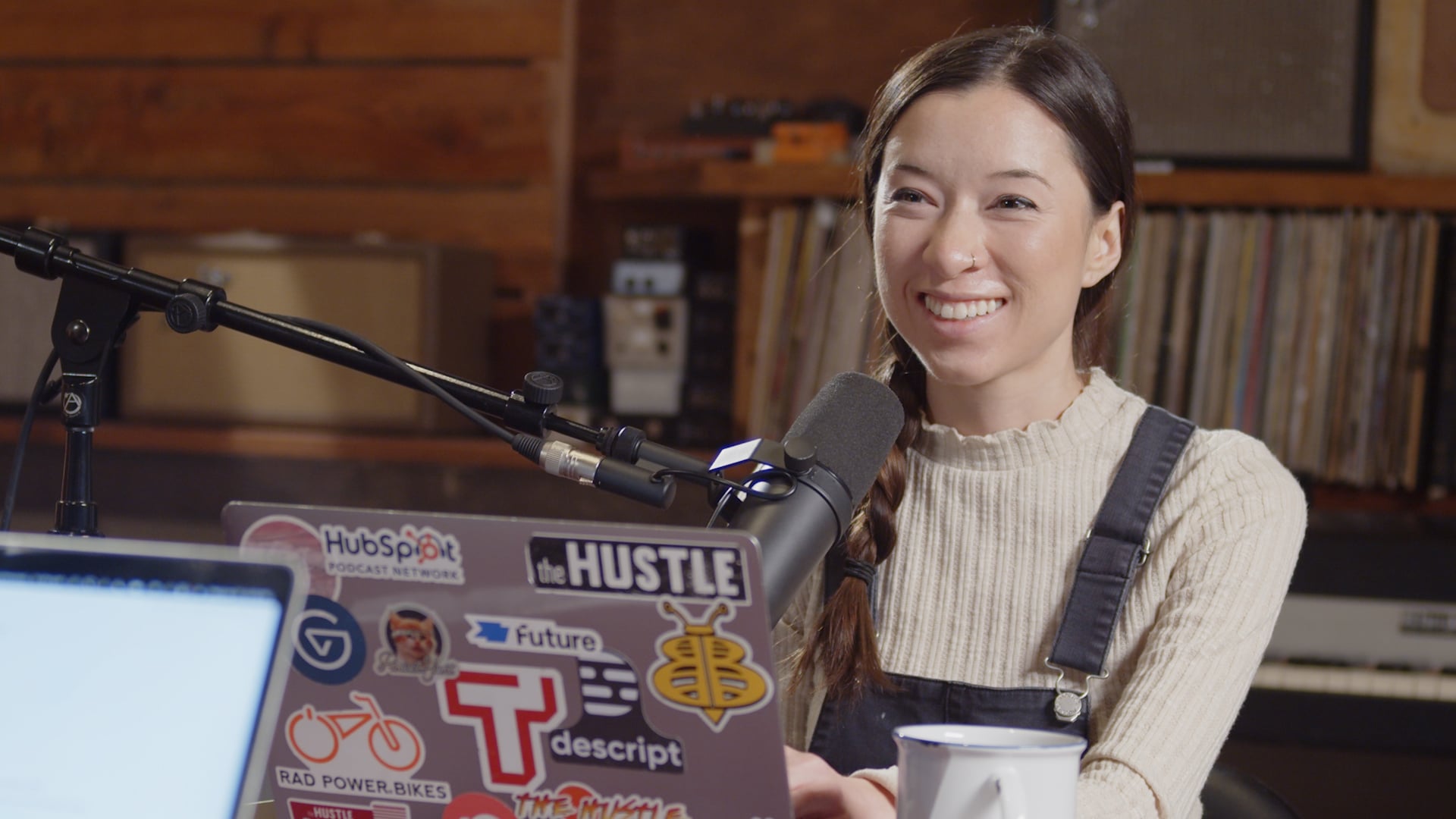
Today, Steph is a host for The a16z Podcast, but she wasn’t always a speaking pro.
Before she became a podcast host, she was a marketer in tech. Her journey towards becoming a better public speaker began the same way it does for many of us: she got some not-so-great feedback.
“The first thing that got me thinking that I needed to be a better public speaker was someone calling out my uptalking,” she told us.
“Hearing that someone had noticed something that I hadn’t picked up on in the way I speak was the trigger for me to realize that speaking is a skill… And as speaking became more of a part of my job, I realized that I had never been trained for this.”
So Steph did what a lot of people do in her shoes. She looked for help, working one-on-one with coaches and signing up for a speaking bootcamp.
But she quickly learned that not all public speaking programs are created equal. In fact, common coaching techniques lead to new challenges of their own.
“A lot of the speaking coaching I had done before was around specific tactics: avoiding filler words, making sure that you summarize what someone says, having good pivot points… It was too analytical, and ultimately led to a lot of nervousness for me,” Steph shared. “It led to stumbles, because I was trying to follow five different tracks at the same time.”
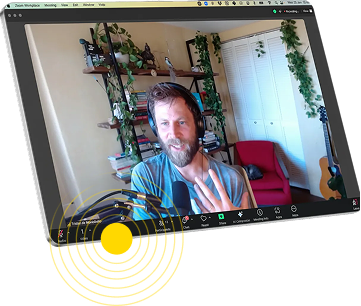
Then, Steph decided to sign up for an Ultraspeaking cohort. The differences were obvious at the start.
“There were no slides. There was nothing where you sat there and you learned some framework for 20 minutes and then applied it… The program let me actually do the speaking and then get live feedback, instead of all of these hypotheticals that honestly just made my brain spend more energy than it needed to.”

Over the course of her cohort, Steph spent hours practicing speaking in real time with zero prep. Ultraspeaking games like Rapid Fire Analogies and Triple Step helped her learn to speak with confidence, stay on track and trust her speaking abilities. “Ultraspeaking’s real-time exercises let me become confident in my ability to speak, instead of thinking too much about how I was speaking,” she shared.
When all was said and done, Steph’s big takeaway was quite simple: “I can’t believe that more speaking programs don’t focus on actually speaking in a session.”
“Ultraspeaking helped me feel more confident that in a conversation, I can be present and I can have something interesting to say, even if it’s not prepared or written down. I think I come across more relaxed and more like myself when I’m speaking.”
And now, Steph is a full-on convert to the importance of speaking spontaneously, confidently and conversationally. “Interviewing for a job? You’re speaking. Negotiating a raise? You’re speaking. Going on a date? Most of that is speaking. And that hinges on your ability to make them like you, be compelling. Everyone should invest in improving their speaking… even if you aren’t a podcast host.”